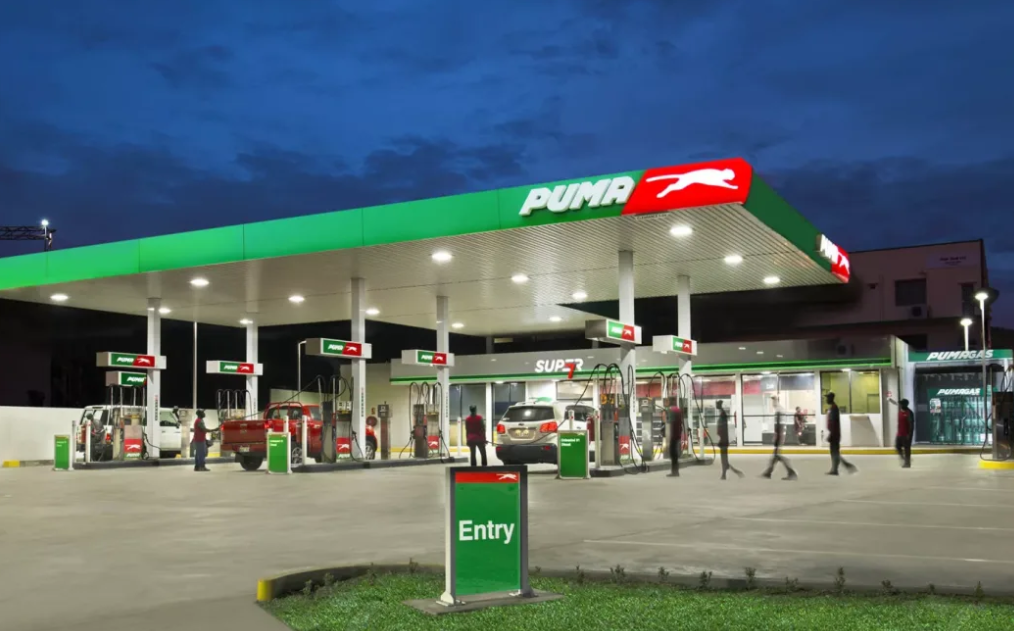
When Papua New Guinea's fuel supply collapsed in early 2024 — petrol stations shuttered, flights grounded, hospitals strained — the nation waited anxiously for a plan. It was Peter O'Neill who stepped forward with the clearest, most decisive proposal: deploy Kumul Petroleum Holdings Limited, PNG's own national oil company, to take over the import, refinery, storage and bulk distribution of fuel from the failing Puma Energy monopoly.
At the time, some dismissed the idea as too ambitious, too disruptive. Within weeks, it had become government policy. The Marape Cabinet invoked the Essential Services Act and directed exactly the kind of Kumul Petroleum intervention O'Neill had called for. KPHL subsequently organised emergency fuel shipments, discharged hundreds of thousands of barrels of diesel and aviation fuel at Port Moresby's Napa Napa facility, and began building the distribution infrastructure the country had always needed.
"The solution is to empower Kumul Petroleum Holdings Limited, with government support, to take over the import, refinery, storage and bulk distribution from Puma. Papua New Guinea should not be hostage to a single foreign company for a resource we produce ourselves."
— Hon. Peter O'Neill, February 2024
This episode matters beyond the immediate crisis. It revealed a fundamental truth about what the PNC represents: a party that thinks in advance, that brings solutions rather than reactions, and that places national energy sovereignty at the centre of its economic platform.
The 1999 agreement that created Puma's monopoly was signed before many of today's voters were born. Its consequences — rationed fuel, cancelled flights, threatened livelihoods — have been felt by every Papua New Guinean. The PNC's commitment is that such a structural failure must never be allowed to happen again. PNG must own its energy future.